

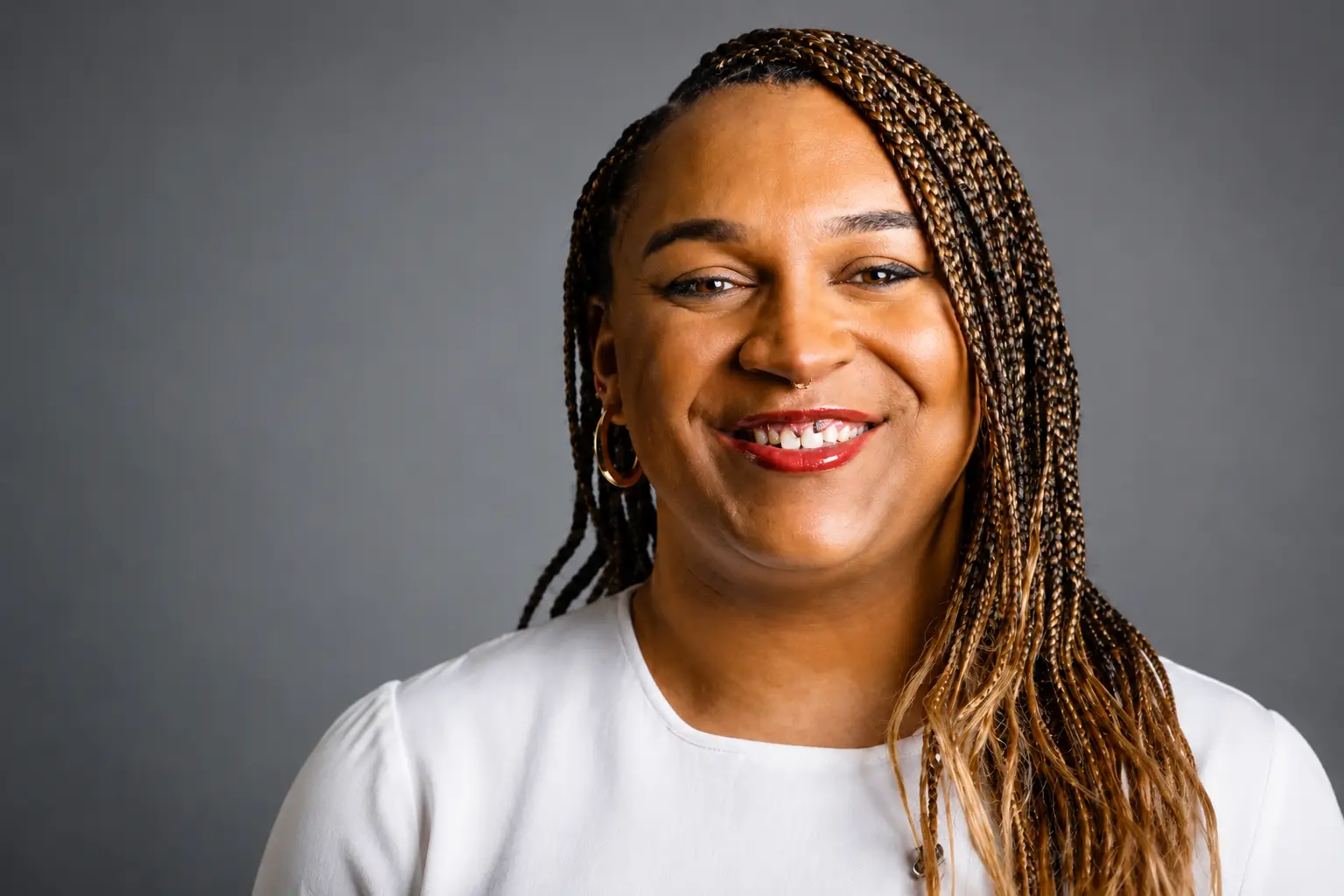
LAST WEEK I BROKE the news on this site that the Scottish Parliament had erased gender as a classification category on its website after initially categorising Iris Duane, a biological man self-identifying as a woman, as female and inventing a third category – non-binary – for Q Manivannan.
Since then, it has caused quite a stushie on social media, with feminist groups alongside Conservative and Labour MSPs writing to the new Presiding Officer Kenny Gibson demanding women MSPs be counted.
Susan Dalgety pointed out that in failing to publish data on sex the Parliament was likely to be in breach of the Public Sector Equality Duty, which requires organisations to publish information demonstrating their compliance with equality legislation, including data on sex.
Another problem is looming. Holyrood’s standing orders now require gender balance on committees, which becomes impossible to comply with if the relevant data is withheld – and committee membership is due to be confirmed in the coming days.
Meanwhile, the parliamentary authorities are sitting on their hands. They have not restored gender as a search category, claiming it was “a legacy system” they have “taken steps to remove”. They said they are “reconsidering” their systems and processes as part of an Inclusive Parliament review, looking at “what personal information on members we need to publish and in what format”, and at “the creation and presentation of new MSP/candidate diversity data”.
Of course, it isn’t just at Holyrood where gender fantasy – the idea that men who self-identify as women become for all intents and purposes women – and the law are colliding. It really is incredible that last year’s Supreme Court judgement won by For Women Scotland – that under the Equality Act sex means biological sex, not gender – has still not been fully accepted and implemented. Opponents had pinned their hopes on Bridget Phillipson somehow diluting this ruling in the EHRC guidance, which, after considerable and unjustifiable delay, she finally issued last week. It turns out that single-sex spaces are exactly that, and by definition, exclude the opposite sex. Cue howls of outrage from “transwomen” and their supporters that men pretending to be women are now excluded from women’s toilets, changing rooms, female prisons etc.
All that counts is the self-righteous assertion of radical subjectivity
Men do not belong in spaces where women are vulnerable. We’ve known that for a hundred years. Men who claim to be women do not magically become women. Worse than that, such men often have sexual fetishes and mental health conditions which make them much more of a threat to women than ordinary men. Why is this even an issue?
Q Manivannan, the non-binary MSP, has also been in the news again. The Times discovered that, far from hailing from a disadvantaged “lower caste” background in India, he came from an upper-middle-class household and attended an exclusive private school and university. Yet he claimed his caste meant he was “hungry because I was starved” and that, as a “queer Tamil immigrant”, he would be a voice for the “working class and marginalised”.
Q Manivannan personifies a fin-de-siècle decadence in much of our politics and culture, particularly on the left. All that counts is the self-righteous assertion of radical subjectivity: I say I am a woman, therefore I am a woman; I say I am one of the marginalised and oppressed, therefore I am. Objective truth – including the objectivity of law – is scorned; those who defend it are vilified as transphobic or racist.
What is lost in all this privileged pirouetting of political virtue is any real understanding of those who suffer the most injustice in our society – let alone effective action to ameliorate that suffering.
Few politicians are comfortable these days talking about social class. They would sooner talk about the poverty-related attainment gap and the addiction crisis, for example, than confront the crucial class element in these issues. Even the row about transwomen’s access to women’s spaces obscures the fact that it is poor and working-class women who are far more exposed to the dangers of men claiming to be women in single-sex spaces such as prisons, women’s refuges and public toilets than affluent middle-class women.
So there was a terrible irony in the news, also reported last week, that of 129 newly elected MSPs, only one hails from a (genuinely) working-class occupational background. There are more trans MSPs (two) at Holyrood than there are working-class ones. Little wonder, then, that the Scottish Parliament has been more effective in grandstanding identity politics in recent times than addressing the hardships endured by the working class.

Comments: 0
Join the debate
Do you agree with this analysis, or is the author wrong? Have your say below.
No comments yet. Be the first to join the discussion.