

THERE IS A CERTAIN TYPE of person in politics, media and public life who genuinely believes they understand poverty because they have read reports about it, attended conferences on it, or sat through meetings discussing “areas of deprivation” while sipping coffee that costs more than some families have to feed themselves for a day.
They think statistics are understanding.They think percentages are experience. They think one staged visit to a foodbank every Christmas somehow makes them connected to working-class struggle.
It does not. Because real poverty is not a line on a spreadsheet. It is not a slogan. It is not a carefully rehearsed speech delivered by somebody who has never had to check the balance on an electricity meter before boiling a kettle.
Real poverty is brutal, exhausting and relentless. Most of it is hidden behind closed doors because people are ashamed of it.
That is the first thing the elite never fully grasp. Hardship is not always visible. Sometimes the poorest families are the cleanest looking, the quietest, the proudest. They become masters at hiding struggle because society has taught them that poverty is something to be embarrassed by.
I have seen things over the years that would break most people’s hearts. Not television poverty or movie poverty, but real poverty – the ordinary kind which is happening quietly all around us while politicians argue over headlines and hashtags.
I remember visiting an elderly man one winter after concerns had been raised about him. The second I stepped into his home, I felt the cold wrap around me. It wasn’t fresh cold; it was damp, stale cold which settles into your chest and makes your bones ache. He sat layered in old clothes, trying his best to act as though everything was fine.
Then I noticed what he was eating: packets of cold sliced meat and cartons of custard. That was it. No hot meals. Nothing requiring the cooker to be switched on. Eventually he admitted the truth. He was terrified to use his cooker because of the cost. Think about that.
A man who had worked his entire life, paid taxes, contributed to society, reached old age and ended up sitting in a freezing house surviving on cold ham and custard because he was frightened of his fuel bills.
And still there are people sitting in warm offices talking about “cost of living pressures” as though it is an abstract inconvenience.
Pressure is choosing between hunger and heating. Pressure is calculating whether boiling a pan of potatoes is worth the risk of pushing yourself further into debt. Pressure is sitting wrapped in blankets in your own house because turning the heating on feels financially dangerous.
That is poverty.
But unless you have sat in those homes and looked directly into the eyes of people living it, you do not understand it.
Where the elite see danger, the working class see survival
I remember another visit that still sits heavily with me.
A young mum with children. Her electricity had run out three days before payday. Three days. To many people, that probably does not sound catastrophic. But when you are already living week to week with no safety net, three days can feel endless.
There was no electricity. No lights. No cooker. No heating. Yet somehow she was still trying to feed her children.
How?
Disposable barbecues. Inside the kitchen. Balanced carefully on the worktop while she cooked sausages over them because it was the only way to get warm food into her kids.
Anybody with common sense knows how dangerous that is. One mistake and that family could have died from fire or carbon monoxide poisoning. But this is the part people fail to understand.
The poor are not stupid. Desperation changes risk. Where the elite see danger, the working class see survival.
That woman was not reckless: she was a mother trying to stop her children going hungry.
And while politicians were arguing over percentages and budgets in heated chambers, real families were literally barbecuing food indoors to survive.
Poverty reaches into every corner of life, including the things many middle-class families take for granted.
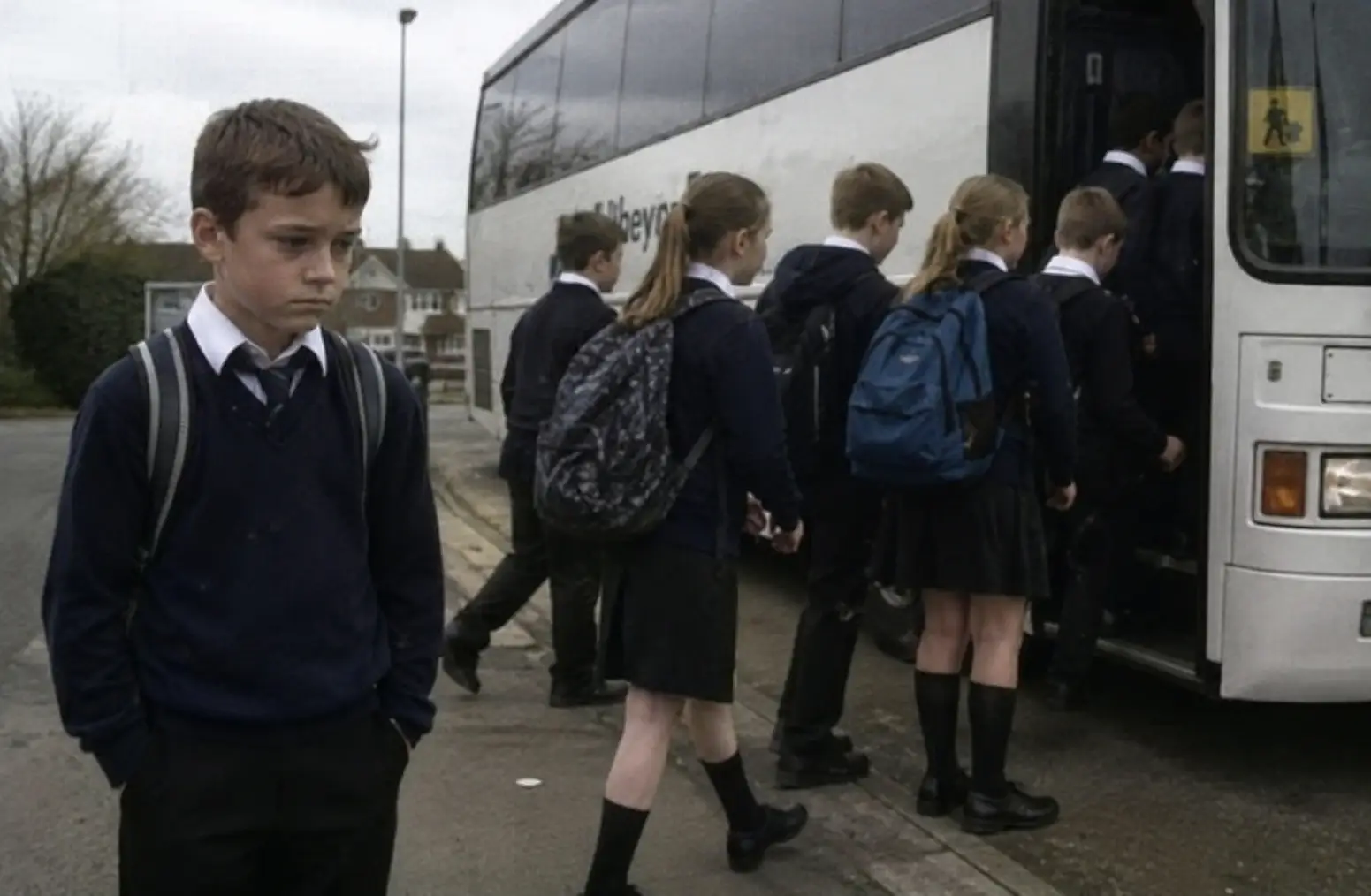
Take school trips. I cannot tell you how many parents I have met who managed to scrape together the actual cost of the trip itself only to realise they could not afford everything else their child needed to bring.
Sleeping bags. Spending money. Trainers. Waterproof jackets. Packed lunches. Toiletries. Extra clothes. Suddenly that “affordable” trip becomes impossible.
So what happens? Some parents make excuses. Some say their child does not want to go. Some keep the child off school that day to avoid embarrassment. Some lie awake at night knowing their child is missing out on memories that every other kid will carry forever.
The same thing happens with proms and graduations.
People hear “prom” and think it is just vanity. For many young people it is a once-in-a-lifetime moment to feel equal. To belong.
Children in poverty grow up fast
But poverty steals even that. I have met girls who pretended they “weren’t bothered” about prom because they knew their parents could never afford dresses, shoes, hair appointments or make up.
I have seen boys miss graduations because they could not afford a suit. I have watched parents torture themselves with guilt over things other families barely think twice about.
And here is the heartbreaking part: most children understand far more than adults realise. Children in poverty grow up fast. They stop asking for things. They pretend not to care. They learn to shrink their own wants because they can see the panic in their parents’ eyes every time money is mentioned.
That is not childhood. That is survival.
Then there is hygiene, another hidden layer of poverty nobody likes talking about because it makes people uncomfortable.
Soap gets rationed. Toothpaste gets squeezed until the tube is practically transparent. Shampoo is watered down to make it last another week. Parents quietly go without deodorant or sanitary products because the children need fed first.
People judge appearances without ever wondering what is happening behind closed doors.
I have seen children bullied for smelling of damp clothes when the reality was their family could not afford to keep the heating on long enough to dry washing properly. I have seen parents sewing holes in clothing items that were over ten years old because there was no money to replace them.
Mending. Stitching. Patching. Doing absolutely everything possible to hold life together while pretending things are okay.
That is another thing poverty steals: dignity, and with it confidence and pride.
People do not just struggle financially. They struggle emotionally because every single day becomes a reminder that they are falling behind.
Meanwhile there are still people in politics who think poverty can be solved with lectures about hard work and budgeting.
Most of them could not survive one month living the reality many families face. Because when you are trapped in poverty, every decision carries consequences. You cannot make mistakes when you have no cushion to fall back on.
One broken washing machine. One school expense. One unexpected bill. One missed shift at work. That is all it takes for some families to spiral.
And still society often judges struggling people through a lens of superiority instead of compassion.
“Why do they smoke?” “Why did they have children?” “Why don’t they just manage money better?”
Those questions almost always come from people who have never experienced genuine hardship themselves; never sat in darkness because the meter ran out; never hidden final demand letters from their children; never stood at a checkout praying their card does not get declined; never skipped meals so their children could eat.
The elite talk about poverty academically. The working class live it physically, mentally and emotionally, every single day.
That is why I get frustrated when politicians think they already know the answers. Too many of them do not even understand the problem.They focus on appearances instead of causes.
They create policy from theory instead of lived reality.
You cannot understand addiction properly if you have never sat with traumatised people using substances to numb pain. You cannot understand homelessness through spreadsheets. You cannot understand poverty through statistics alone.
You need to sit in the homes. Walk through the schemes. Listen without judgement. Observe without ego.
Because there is intelligence within working-class communities that many people completely overlook. Some of the smartest, strongest and most resourceful people I have ever met came from poverty. They have to become resourceful. Survival teaches skills no university degree ever could.
poverty is not just about money
I have watched mothers turn scraps into meals. I have watched neighbours quietly help each other survive. I have watched pensioners split food with families despite having almost nothing themselves.
There is humanity in struggling communities that often puts the political world to shame.
That is why people in power need to come down from abstraction and immerse themselves in the reality of working-class life if they genuinely want to help. They need to stop viewing working-class people as statistics to manage and start seeing them as human beings to understand.
Because poverty is not just about money. It shapes confidence, health, relationships, education, mental wellbeing, safety, opportunity, childhood and identity. It shapes everything.
And until the people making decisions are willing to properly immerse themselves in the real lives of the communities they govern, they will continue solving the wrong problems.
The working class do not need patronised. They need heard. They need respected. They need represented by people who genuinely understand the reality of survival. Because there is a world of difference between hearing about struggle and living among it every day.


Comments: 0
Join the debate
Do you agree with this analysis, or is the author wrong? Have your say below.
No comments yet. Be the first to join the discussion.